Rosa Vogel · 1 October 2026
Berlin Cultural Site Allocations Connect with Startup Regulation Plans and Power Grid Timelines
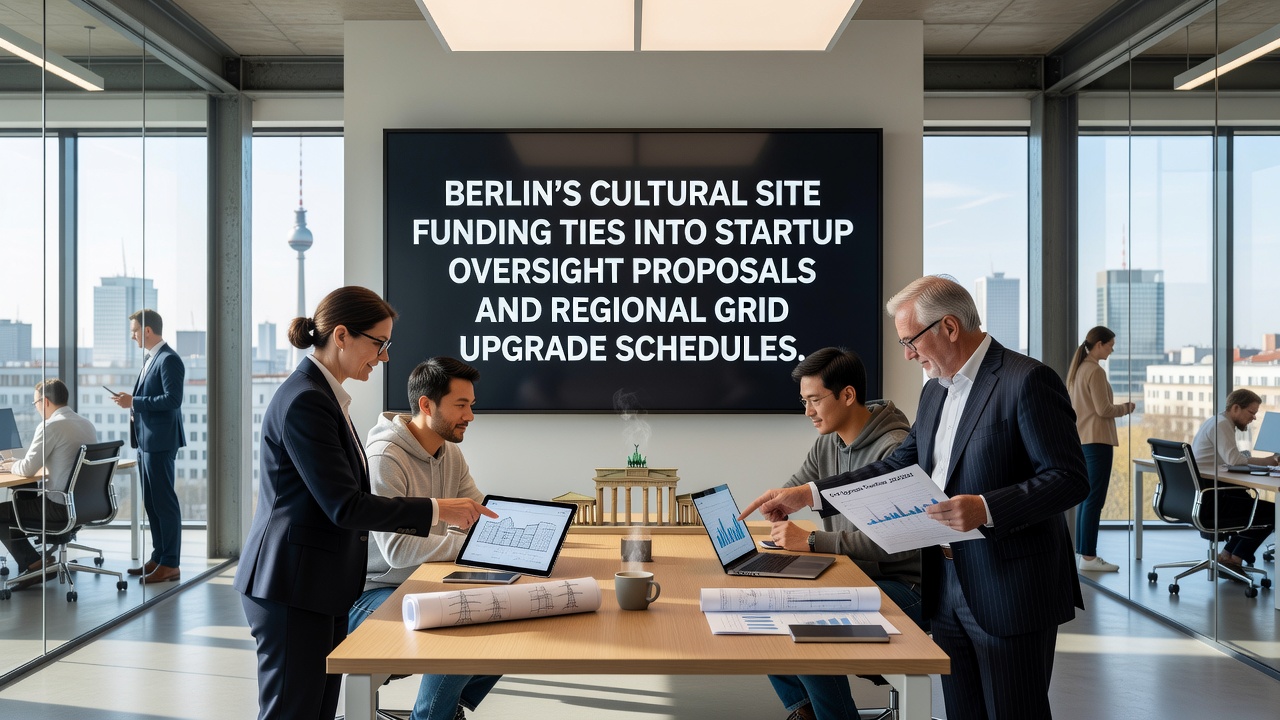
Berlin allocates funds to cultural sites through coordinated channels that also shape proposals for startup oversight while aligning with regional grid upgrade schedules across German states, and observers note these connections emerge from shared budgetary frameworks established in recent legislative sessions. Data from the Federal Ministry for Economic Affairs and Climate Action shows cultural venue support totals several hundred million euros annually with portions routed through mechanisms that incorporate regulatory reviews for emerging technology firms.
Budget Integration Patterns
Cultural institutions in the capital receive support that factors into broader fiscal planning where oversight measures for startups appear in the same policy packages, yet these ties reflect administrative efficiencies rather than direct causation. Researchers at institutions tracking public expenditure have documented how allocations for museums, theaters, and heritage sites intersect with digital innovation rules because many venues now rely on tech platforms for operations and audience engagement, and this overlap prompts simultaneous examination of both areas.
Grid modernization timelines add another layer because energy demands at cultural facilities require stable power supplies that regional networks must accommodate, and authorities coordinate these upgrades with funding cycles to avoid service disruptions during peak event seasons. In October 2026 several regional operators plan phased installations of smart transformers and renewable integration points that will directly affect venues in Berlin and surrounding states.
Regulatory and Infrastructure Overlaps
Startup oversight proposals currently under discussion include transparency requirements for data handling and investment reporting, elements that cultural funding administrators encounter when vetting technology partners for exhibition projects or digital archives. Experts tracking these developments point to joint working groups within state ministries that handle both cultural grants and innovation policy, allowing information to flow between the two domains without creating separate bureaucratic tracks.
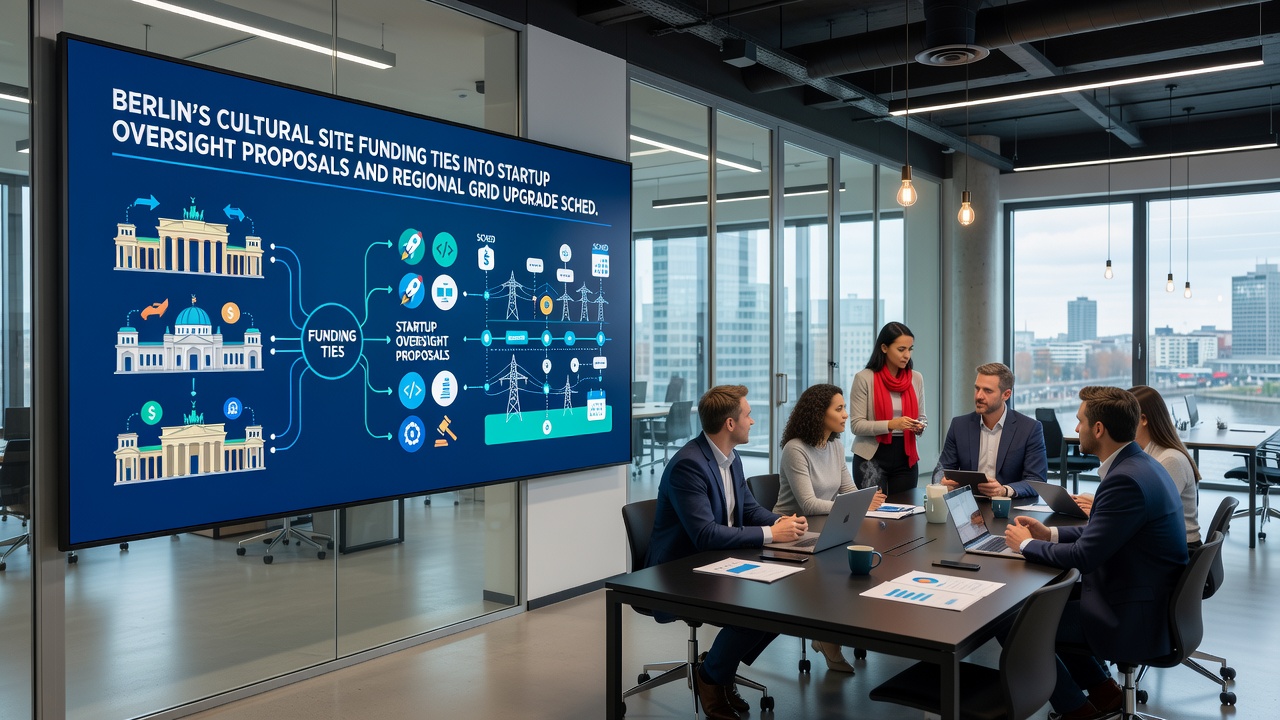
Regional grid upgrade schedules list specific milestones for Berlin-Brandenburg and other Länder, with completion targets stretching into the late 2020s, and these plans incorporate projected load increases from expanding cultural programs that host large-scale events. Figures released by transmission system operators indicate that new substation capacity will support both residential growth and institutional needs, while startup regulations around energy-efficient hardware receive parallel attention to ensure compliance across sectors.
Implementation Timelines and Stakeholder Roles
Stakeholders including municipal cultural departments, federal energy regulators, and technology associations meet regularly to synchronize these elements, and one documented case involved a Berlin museum expansion that triggered both a grid capacity assessment and a review of its digital ticketing provider under emerging startup rules. Such instances illustrate how practical project requirements drive the connections rather than abstract policy directives.
European Commission reports on infrastructure cohesion funds highlight similar patterns in multiple member states where cultural investments coincide with digital economy regulations and energy network improvements, and German authorities apply these frameworks locally with adjustments for state-level priorities. What's notable is the way October 2026 appears as a checkpoint in multiple planning documents because it aligns with mid-term budget reviews and renewable energy integration targets.
Conclusion
Berlin's approach demonstrates how public funding streams for cultural sites naturally intersect with startup oversight mechanisms and grid modernization schedules through shared administrative structures and technical necessities, and continued coordination will determine how these areas evolve together in coming years.