Jakob Schulz · 3 September 2026
Brussels Startup Oversight Connects to Renewable Grid Development Timelines in German States
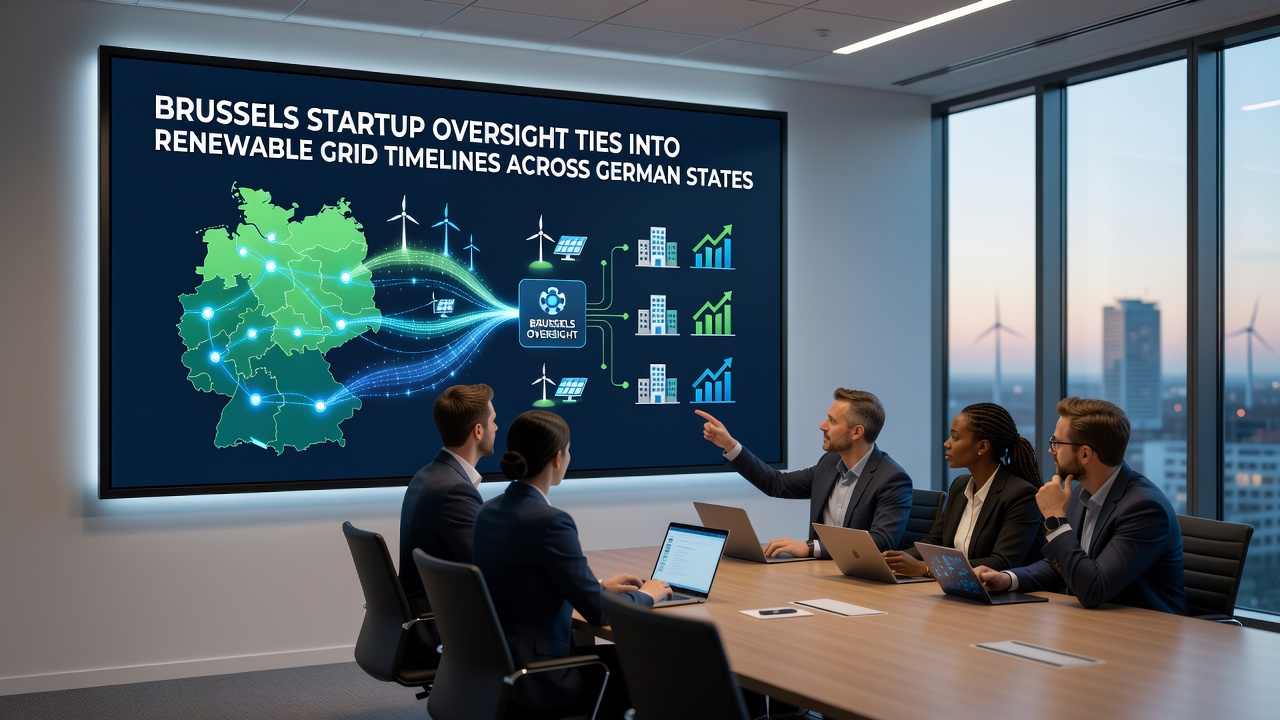
European Union regulatory measures targeting startup operations in emerging technology sectors now align directly with schedules for expanding renewable energy grids across multiple German federal states, and data from official monitoring bodies shows coordinated reporting requirements that link funding approvals to infrastructure milestones. Observers note that these ties emerged from joint policy frameworks established in prior years, while recent updates indicate further synchronization ahead of key review periods including September 2026.
EU Framework for Startup Oversight
Brussels institutions apply oversight through directives that govern state aid, innovation funding, and compliance standards for companies developing clean energy solutions, and these rules require startups to demonstrate alignment with broader grid modernization targets set by member states. Figures from the European Commission reveal that approval processes for green tech ventures now incorporate assessments of how proposed projects support national renewable integration plans, particularly in regions with ambitious wind and solar expansion goals. Researchers at various academic centers have documented how such oversight creates reporting chains that feed into larger energy transition databases maintained at the EU level.
Renewable Grid Timelines in German States
German states including North Rhine-Westphalia, Bavaria, and Lower Saxony maintain distinct yet interconnected schedules for upgrading transmission networks to accommodate higher shares of renewable power, and these plans specify phased installations of high-voltage lines and storage facilities through the coming years. Data indicates that several states have set internal benchmarks for completing grid reinforcement projects by 2027, whereas others coordinate with federal agencies on longer horizons that extend past 2030. Those who've studied regional energy reports find that variations arise from differences in existing infrastructure density and local political priorities, yet all states participate in national data-sharing systems that track progress against EU-wide benchmarks.
Links Between Oversight and Grid Schedules
Startup oversight mechanisms in Brussels connect to German grid timelines through shared evaluation criteria that assess whether funded innovations contribute to measurable improvements in renewable integration capacity, and this connection appears in joint documents that reference both regulatory compliance and infrastructure delivery dates. What's interesting is how funding decisions for early-stage companies now reference specific state-level grid projects, creating dependencies where delays in one area can affect approvals elsewhere. According to information compiled by the Bundesnetzagentur, coordination meetings between EU officials and German regional authorities occur at regular intervals to review alignment and adjust timelines as needed.
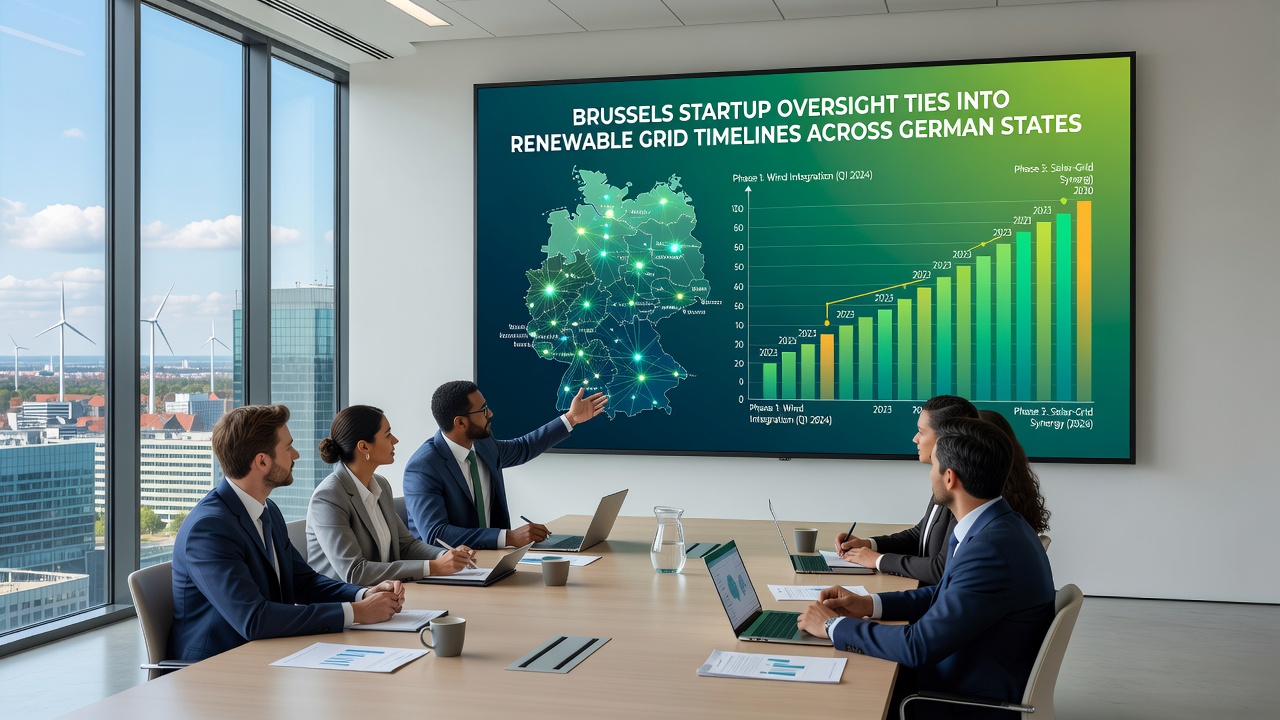
One study from a European research consortium highlighted cases where startups working on smart grid software received conditional approvals tied to deployment schedules in particular German states, and similar patterns show up in documentation from multiple Länder energy ministries. The reality is that these intersections reduce fragmentation between innovation policy and infrastructure planning, while also introducing new layers of verification that companies must navigate before accessing support programs.
Regional Variations and Coordination
Across German states, implementation differs because each maintains autonomy over local permitting and land-use decisions that affect grid projects, yet Brussels oversight imposes uniform transparency standards that apply equally to all participating startups regardless of location. Experts have observed that states with stronger existing renewable capacity tend to attract more startup activity in related fields, and this concentration influences how oversight bodies prioritize reviews. Data shows increased collaboration between state agencies and EU directorates since the introduction of updated reporting templates that explicitly reference grid timeline commitments.
Take one project cluster in southern Germany where several startups received support contingent on contributing technology to a major transmission upgrade scheduled for completion phases through 2026, and parallel efforts in northern states follow comparable structures with adjusted dates based on regional needs. Those who've examined the coordination logs note that September 2026 serves as a checkpoint for multiple overlapping initiatives across both policy domains.
Conclusion
Brussels startup oversight continues to intersect with renewable grid timelines in German states through established regulatory and funding channels that emphasize measurable contributions to energy transition targets, and available records confirm ongoing adjustments to maintain consistency across these areas. The connections support integrated planning approaches that link innovation support directly to infrastructure delivery, while regional differences persist within the broader framework. Further updates are expected as states approach the September 2026 review points and beyond.