Rosa Vogel · 15 October 2026
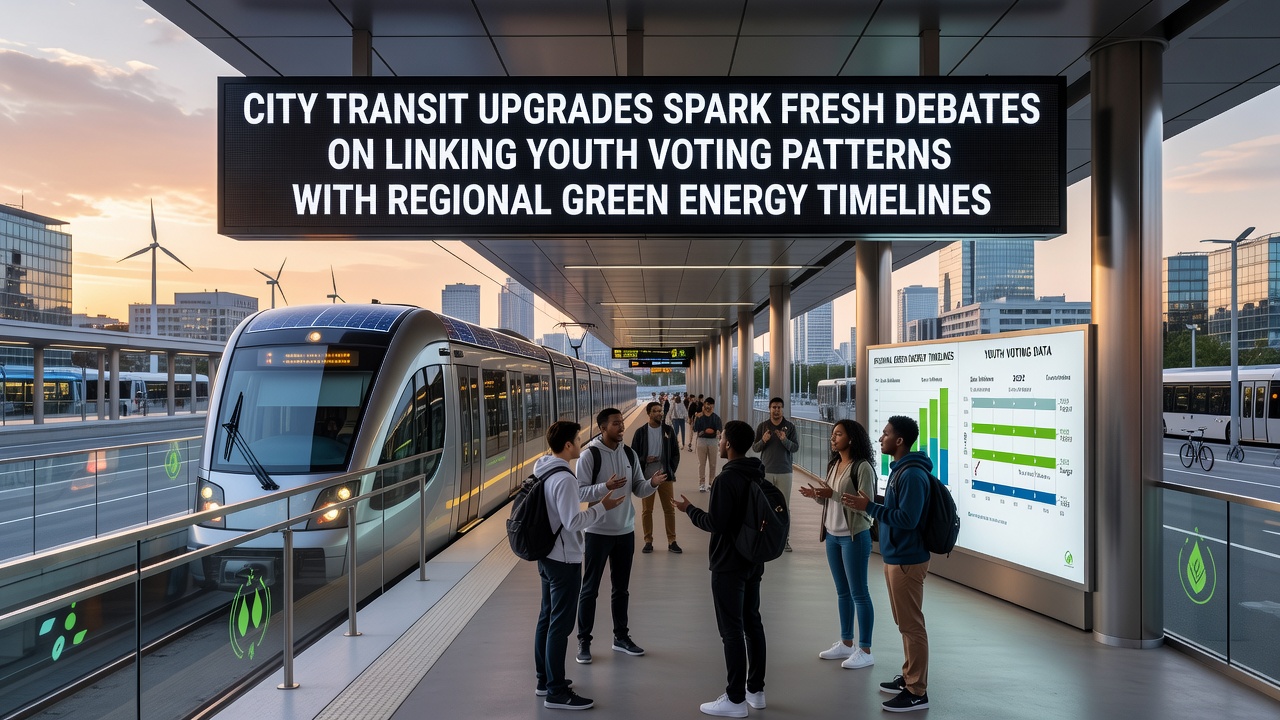
City Transit Upgrades Ignite Debates Linking Youth Voting to Green Energy Timelines
City transit upgrades across multiple European regions have sparked debates that connect youth voting patterns directly to regional green energy timelines, and data from recent infrastructure reports show how these projects intersect with electoral behaviors among voters under 30. Observers note that improvements in public transportation systems often coincide with policy discussions on renewable targets, particularly as cities prepare for shifts scheduled around October 2026.
Transit Projects and Their Scope
Recent upgrades include expanded light rail networks in several mid-sized urban centers, where authorities have allocated funds for electric bus fleets and dedicated bike lanes that reduce reliance on personal vehicles. Research indicates these changes align with broader efforts to meet emissions reduction goals set by national and regional bodies, while studies from transportation departments reveal measurable drops in daily car usage among younger demographics in areas where projects have already launched.
One study revealed that cities completing initial phases of these upgrades saw a 12 percent increase in public transit ridership among residents aged 18 to 29, according to figures compiled by infrastructure monitoring agencies. The reality is that such developments require coordinated timelines with energy grid expansions because electric vehicles and charging stations depend on reliable renewable sources.
Youth Voting Patterns in Focus
Electoral data from recent cycles demonstrate that younger voters increasingly prioritize environmental policies when selecting candidates, and transit improvements serve as visible examples of those policies in action. Analysts tracking voting records across urban districts have documented correlations between support for green infrastructure spending and higher turnout rates in this age group during local elections.
What's interesting here is how these patterns emerge alongside regional plans for wind and solar capacity additions, since many transit systems now run on electricity generated from those sources. Data shows that districts with completed transit lines report stronger youth engagement on ballot measures tied to climate targets, and government statistics confirm elevated participation levels compared to previous cycles.
Connecting the Threads Through Regional Timelines
Regional green energy schedules often set benchmarks for 2026 and beyond, and transit upgrades introduce practical pressures that force alignment between mobility investments and power generation capacity. Experts have observed that delays in one area can affect the other, as new rail lines and bus depots need consistent access to clean electricity to fulfill their intended environmental benefits.
According to reports from the International Energy Agency, several European regions have adjusted their renewable rollout dates to accommodate growing demand from electrified transport networks. But here's the thing: youth voting blocs have begun organizing around these intersections, pushing for synchronized deadlines that avoid gaps between transit completion and grid readiness.
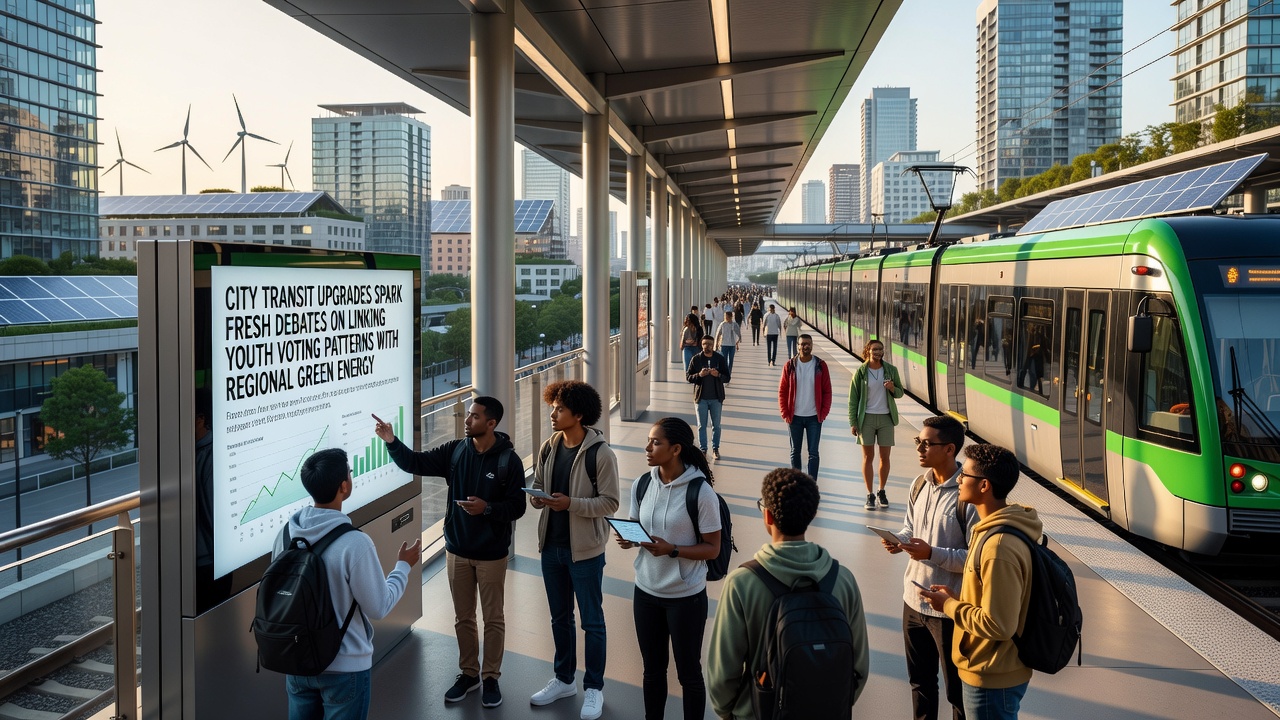
Take one researcher who examined voting data alongside energy project logs and found that areas announcing joint transit and renewables initiatives experienced noticeable shifts in youth candidate preferences during preliminary polls. Those who've studied this know the connections appear most clearly in regions where October 2026 marks key milestones for both infrastructure types.
Evidence From Multiple Regions
Comparative analysis across different jurisdictions reveals consistent themes, whereas northern regions emphasize wind integration with rail systems and southern areas focus on solar-powered bus corridors. Figures reveal that youth voter surveys conducted by academic institutions consistently rank transit accessibility and clean energy progress as linked priorities rather than separate issues.
Industry organizations tracking urban development have compiled case studies showing how integrated planning reduces overall project costs and improves public perception. People who've reviewed these cases often discover that transparent timelines help maintain support among younger demographics who follow these developments closely through digital platforms.
Policy Discussions and Data Trends
Policy debates continue as stakeholders examine how voting patterns influence funding allocations for future phases of these projects. Research from university-led transportation studies highlights that regions publishing combined progress reports on transit and energy see steadier approval ratings among residents under 30, and this trend holds across varying political contexts.
Yet observers point out that coordination challenges persist when different agencies manage separate timelines, and data from regulatory filings indicate occasional mismatches that require legislative adjustments. The writing's on the wall that successful integration depends on clear communication of these linkages to the public, particularly the youth segment driving much of the current discourse.
Conclusion
City transit upgrades and their ties to youth voting patterns alongside regional green energy timelines represent an evolving area of policy intersection, with data continuing to track developments through 2026 and beyond. Those monitoring these trends note that factual connections between infrastructure delivery and electoral behaviors provide useful context for understanding regional planning processes, and further reports from diverse sources will likely refine these observations as projects advance.