Jakob Schulz · 12 November 2026
Digital Oversight Reforms Intersect with Transit Investments to Shape Electoral Participation Trends
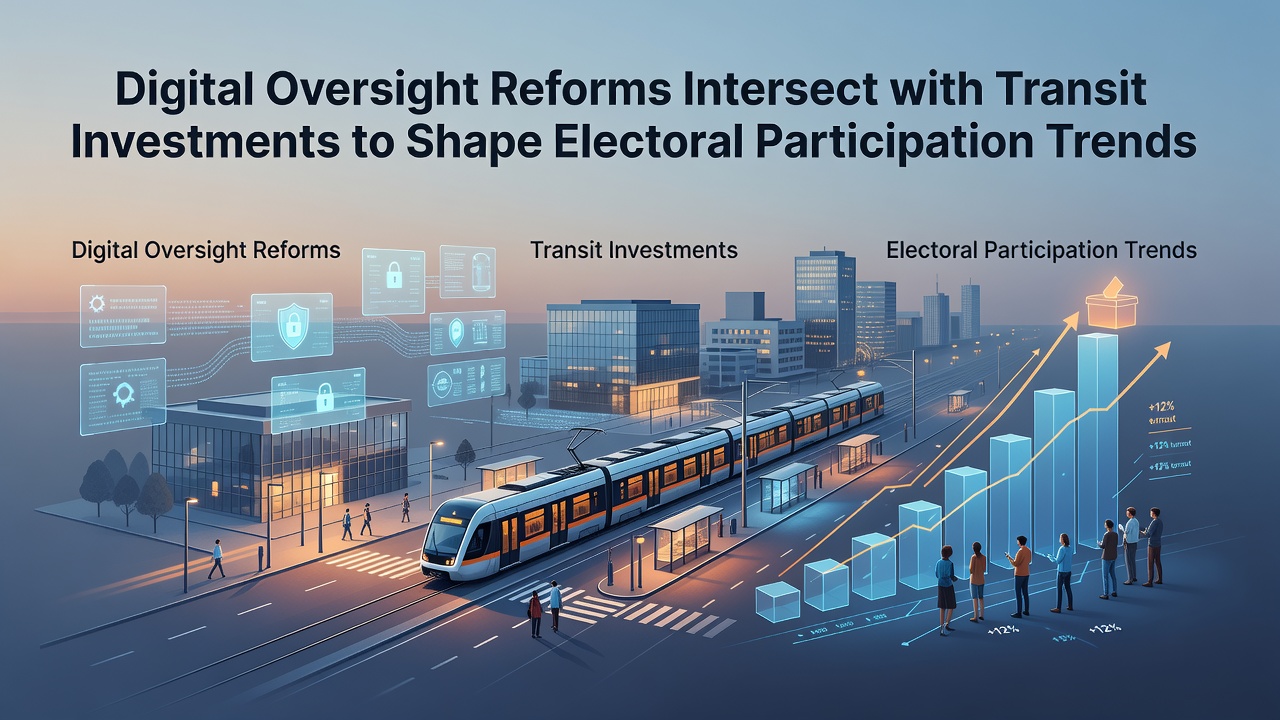
Digital oversight reforms and transit investments have begun to converge in ways that reshape how citizens engage with elections, and observers note these developments across multiple jurisdictions as data protection rules tighten while public transport budgets expand. Researchers track these intersections through participation metrics that reflect both online information flows and physical access to polling locations, with patterns emerging in urban centers where platform regulations coincide with infrastructure upgrades.
Digital Oversight Reforms and Their Reach
Regulatory frameworks such as the EU Digital Services Act establish requirements for platform transparency and content moderation, and these measures alter how political information circulates ahead of voting periods. Data from the European Commission indicates that compliance deadlines cluster around late 2025 into 2026, creating new obligations for algorithmic accountability that affect targeted political messaging. Similar initiatives appear in other regions, including Canadian federal guidelines on digital platform reporting that require disclosure of advertising spend during election cycles.
Analysts examine how these rules influence voter awareness, since reduced micro-targeting on social platforms can shift reliance toward official sources and broader public campaigns. Studies compiled by academic institutions show measurable changes in information consumption when transparency mandates take effect, particularly among younger demographics who previously encountered election content through algorithmic feeds.
Transit Investments and Accessibility Factors
Governments allocate resources to expand rail, bus, and cycling networks in metropolitan areas, and these projects directly affect the time and cost required for residents to reach polling stations. Figures from transport ministries reveal that several European cities completed major line extensions between 2024 and 2026, coinciding with scheduled electoral events. Improved connectivity correlates with higher turnout in districts where previous barriers included long commutes or limited service hours on election days.
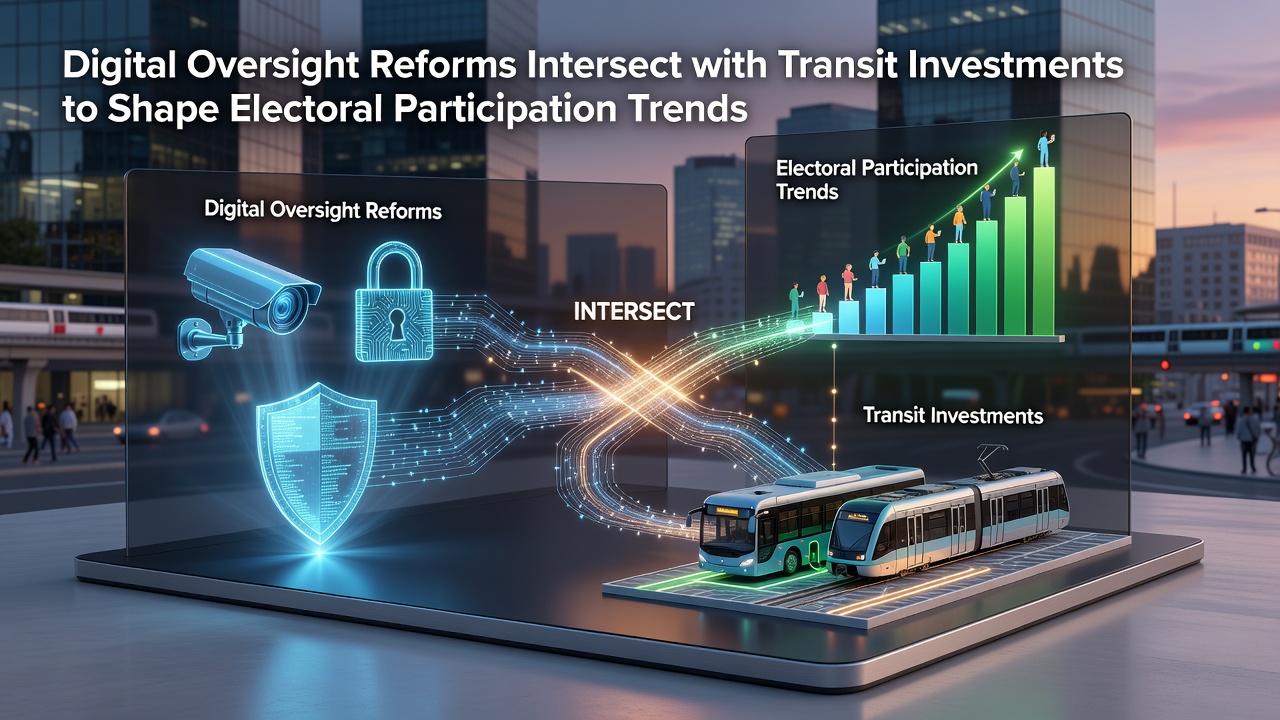
Urban planners document that real-time scheduling apps integrated with voter registration systems further reduce friction, and pilot programs in select municipalities demonstrate incremental gains in participation when service frequency aligns with polling hours. These infrastructure choices operate alongside digital rules because both domains influence the practical ability of citizens to obtain information and cast ballots.
Combined Effects on Participation Trends
Observers track turnout statistics that reflect the simultaneous rollout of oversight measures and transit projects, and data sets compiled through 2026 indicate modest but consistent upticks in districts benefiting from both policy streams. Researchers compare areas with advanced digital compliance against those with lagging transit upgrades, noting that combined improvements produce stronger associations with sustained voter engagement than either factor alone. Election authorities report that digital reforms curb certain forms of misinformation while transit enhancements expand physical reach, creating complementary pathways to participation.
Case examples include coordination between transport schedules and digital voter portals in Scandinavian capitals, where authorities adjusted service timetables during referendum periods and simultaneously enforced platform disclosure rules. Similar alignments appear in Australian state-level planning documents that link public transport timetables to electoral commission outreach efforts. These instances illustrate how administrative bodies treat the two domains as interconnected rather than isolated.
Regional Variations and Data Patterns
Participation trends diverge by geography because regulatory timelines adn investment cycles differ, and comparative analyses from research organizations highlight stronger correlations in densely populated zones where both digital and physical access improved concurrently. November 2026 stands out in several calendars as a period when multiple jurisdictions finalize digital reporting requirements while opening new transit segments, offering analysts a concentrated window to measure combined impacts. Government statistical offices publish preliminary figures that separate the contributions of each policy area while acknowledging their overlapping effects on overall turnout.
International bodies such as the OECD compile cross-country indicators that track these developments, and their reports emphasize the need for integrated evaluation frameworks that capture both regulatory compliance and infrastructure utilization. The resulting data sets allow policymakers to adjust future allocations based on observed participation outcomes rather than isolated metrics.
Conclusion
Digital oversight reforms and transit investments continue to intersect in measurable ways that influence electoral participation, and ongoing monitoring through 2026 and beyond provides the evidence base for refining these policies. Authorities collect participation data alongside compliance records and ridership statistics, enabling more precise assessments of how regulatory and infrastructure decisions jointly shape citizen engagement. The patterns documented so far underscore the value of coordinated planning across these domains.