
Frankie Foster · 29 October 2026
EU Platform Reforms Spark Fresh Debates Over Heritage Site Budgets and Regional Energy Timelines
European Union officials introduced new platform regulations in early 2026 that require digital services to meet stricter compliance standards, and these changes quickly intersected with funding allocations for heritage preservation projects while also affecting power grid expansion schedules across member states. Observers note that the reforms target large online platforms with obligations around data handling, content moderation, and market transparency, yet the financial implications extend into unrelated sectors such as cultural conservation and renewable energy development.
Reform Framework and Initial Rollout
The regulations build on earlier digital services legislation by adding requirements for platform accountability in areas like algorithmic transparency and cross-border data flows, and compliance deadlines began phasing in during spring 2026. Researchers at the European Commission tracked early implementation reports from companies operating in multiple countries, and data showed varying levels of preparedness among smaller regional operators compared to global players. Those who've studied the rollout process found that administrative costs for verification processes rose notably in several member states, which prompted discussions about reallocating resources from other budget lines.
Heritage site managers in countries like Italy and France reported concerns that national contributions to EU-wide digital oversight programs could reduce available grants for monument restoration and archaeological work. Figures from national cultural ministries indicated that heritage budgets had already faced pressure from inflation and post-pandemic recovery spending, and the new platform rules added another layer of competition for limited public funds.
Connections to Regional Energy Projects
Energy timeline adjustments in German states and other regions entered the conversation because platform compliance infrastructure demands significant computing resources and data center capacity. Analysts from the International Energy Agency pointed out that increased digital workloads could accelerate electricity demand forecasts, and this overlaps with existing commitments to phase out fossil fuels by set target years. In October 2026 several regional governments updated their grid modernization plans to account for higher baseline consumption from tech facilities, while heritage organizations in the same areas argued that preservation funding should not compete with these infrastructure upgrades.
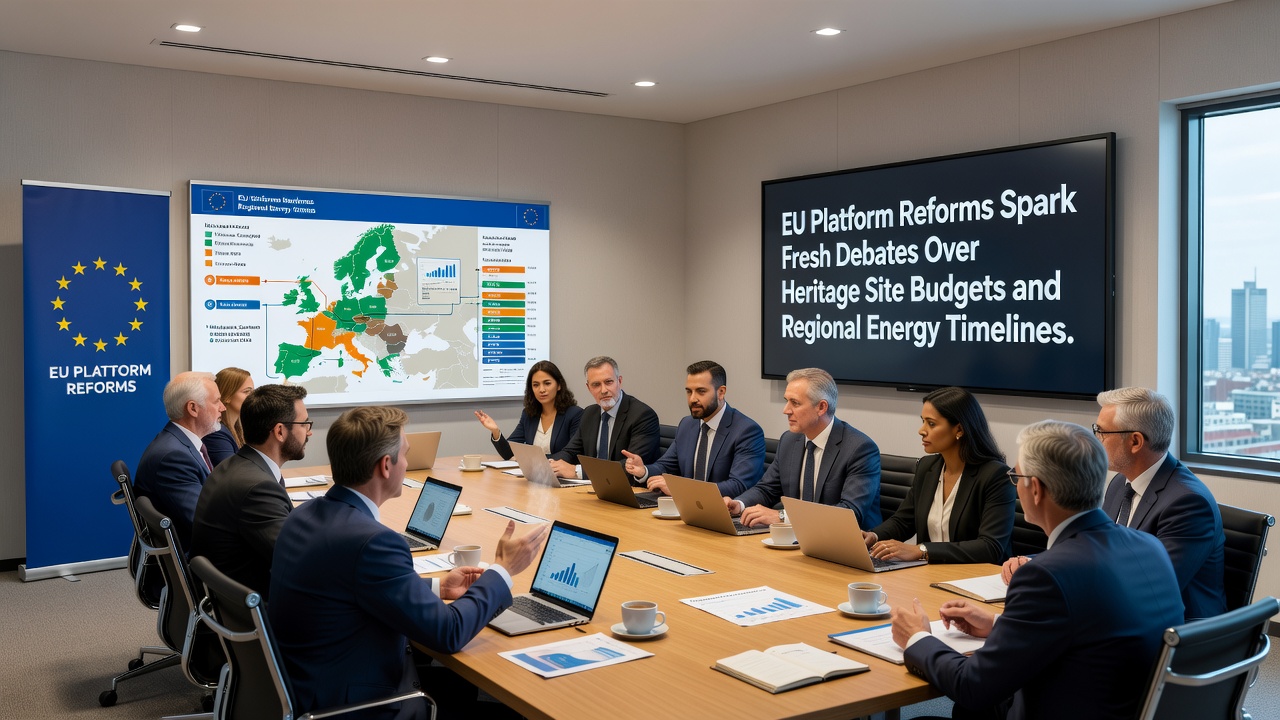
One study released by a Canadian research institute examined similar policy intersections in Europe and North America, and it revealed that coordinated budgeting across digital, cultural, and energy portfolios remains uncommon at the subnational level. People working on heritage projects in Bavaria and Saxony observed that local authorities sometimes delay restoration timelines when energy infrastructure receives priority funding, and the EU platform reforms appear to intensify those trade-offs. What's interesting is how these debates surface during joint parliamentary sessions where representatives from culture committees and energy committees review overlapping legislation.
Stakeholder Perspectives Across Regions
Representatives from heritage trusts in Spain and Portugal submitted position papers highlighting specific sites whose maintenance schedules depend on consistent EU supplementary grants, and they noted that platform-related expenditures could shift those resources. Meanwhile energy planners in Poland and the Netherlands referenced updated modeling that incorporates higher digital sector demand, and this modeling affects the sequencing of offshore wind connections and transmission line projects. According to reports compiled by academic groups at Australian universities, such cross-sector pressures occur when new regulatory frameworks lack dedicated funding streams for indirect impacts.
Local governments in several EU regions formed working groups to map budget overlaps, and early findings suggested that heritage allocations might experience shortfalls of up to fifteen percent in certain cases if platform compliance costs continue rising. Energy timeline adjustments, by contrast, often receive additional support through dedicated climate funds, which creates an imbalance that heritage advocates seek to address through revised allocation formulas.
Policy Responses and Ongoing Negotiations
EU negotiators began exploring mechanisms to ring-fence heritage funding streams while still advancing platform compliance, and discussions in October 2026 focused on whether member states could access supplementary credits for cultural preservation alongside digital infrastructure investments. Industry associations representing both cultural organizations and renewable energy developers presented joint recommendations that called for integrated impact assessments before future regulatory expansions. Those assessments would evaluate combined effects on budgets and timelines rather than treating each sector in isolation.
Evidence from pilot programs in two member states showed that collaborative planning between heritage boards and energy regulators can identify efficiencies, such as shared permitting processes for sites that host both historical structures and nearby renewable installations. Yet scaling these approaches requires legislative adjustments that remain under debate in multiple committees.
Conclusion
The interplay between EU platform reforms, heritage site budgets, and regional energy timelines continues to generate coordinated responses from affected sectors, and ongoing data collection will inform whether adjustments to funding mechanisms or compliance schedules prove necessary. Observers continue to monitor implementation outcomes across member states as new reporting cycles begin later in 2026.